
Carpet or LVT: Which Flooring Is Best for Your Home?
Carpet and luxury vinyl tile (LVT) can both work well in a home, but they solve different problems. Carpet offers a softer surface and can make bedrooms and lounges feel more comfortable. LVT has a firm, easy-to-clean surface and comes in designs inspired by timber and stone. The best choice depends on the room, your household and the specific product selected.
This guide compares the two options so you can make a more informed decision before arranging flooring. Home Flooring Experts works with customers across Hertfordshire, Essex and North London; you can also explore our carpet service, LVT flooring and wider flooring services. To check the regions we cover, visit our areas we cover page.
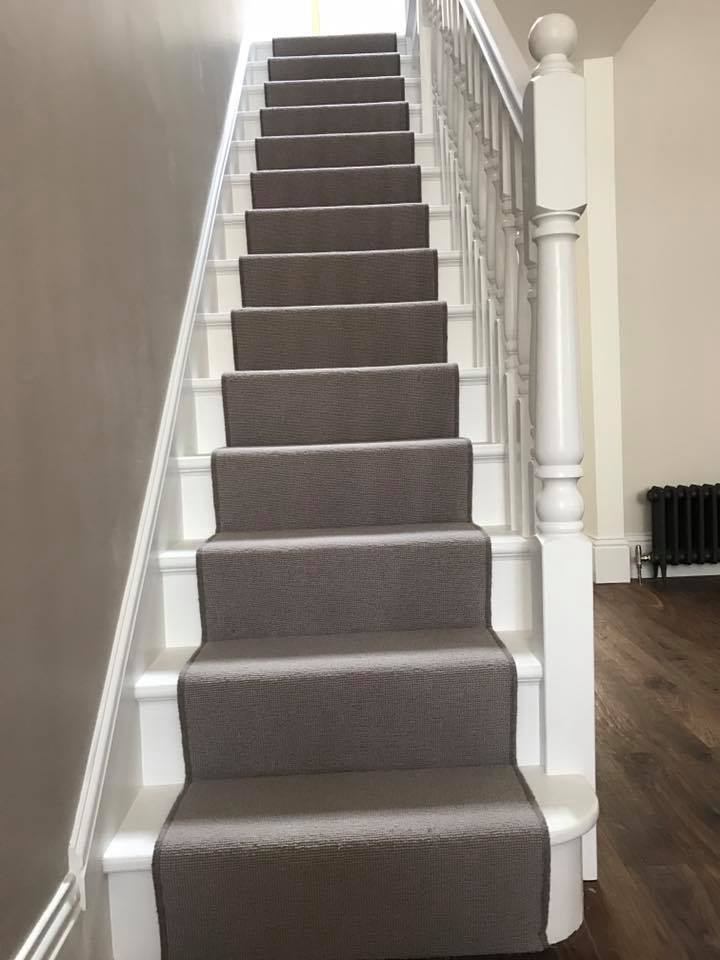
Carpet and LVT at a glance
| Consideration | Carpet | LVT |
|---|---|---|
| Feel underfoot | Soft and cushioned, depending on pile and underlay | Firm surface; feel varies with product and subfloor |
| Everyday cleaning | Needs regular vacuuming; spills require prompt care | Usually straightforward to sweep and clean using approved products |
| Common uses | Bedrooms, lounges, stairs and landings | Hallways, kitchens and living spaces where the product is suitable |
| Design choice | Colours, patterns, fibres and pile textures | Wood-effect, stone-effect, plank and tile designs |
| Installation considerations | Carpet, underlay, grippers and stair details where applicable | Subfloor smoothness, product system, layout and manufacturer guidance |
When carpet may be the better choice
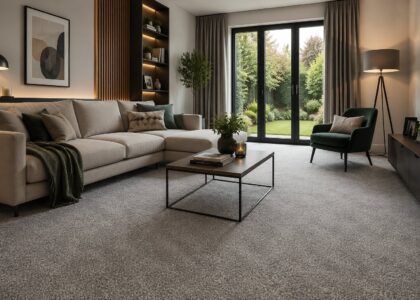
Carpet is popular in bedrooms and living rooms because it creates a softer, warmer-feeling surface. It can also help absorb some sound in a room. The finish depends on the pile, fibre, underlay and quality, so compare samples and care instructions before deciding.
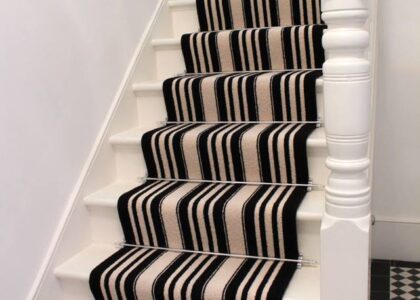
For stairs and landings, choose a product intended for that level of use and confirm it is suitable for the installation. Busy hallways may need a more hard-wearing carpet than a rarely used bedroom.
When LVT may be the better choice
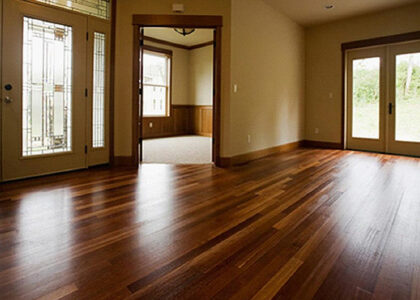
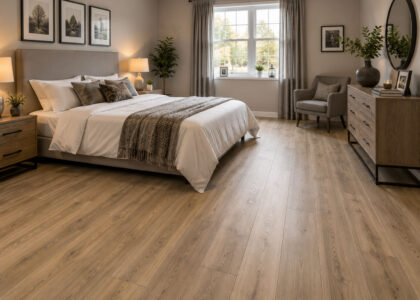
LVT is available in a wide range of wood-effect, stone-effect and patterned designs. Its surface is generally easier to wipe clean than carpet, which can be useful in entrances and other spaces where dirt or spills are more likely.
Do not assume every LVT product is suitable for every room or installation method. Check the manufacturer’s guidance for moisture exposure, cleaning, underfloor heating and subfloor preparation. A smooth, properly prepared base is particularly important for many LVT systems.
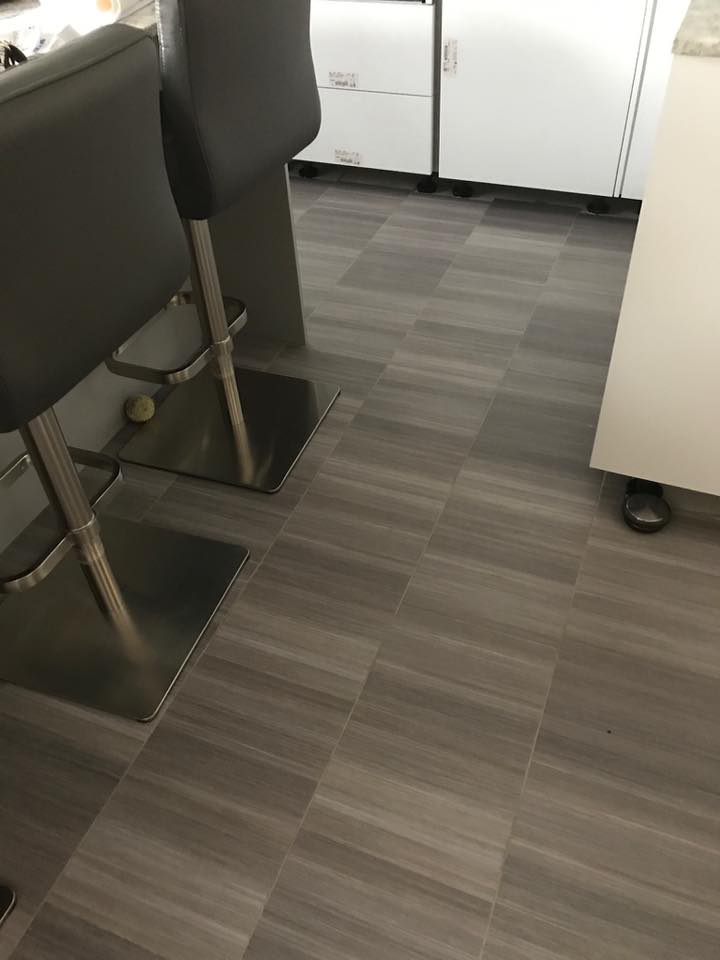
Which works best in each room?
Bedrooms
Carpet is often preferred for its soft feel when getting out of bed. LVT is also an option if you prefer a hard surface and simple routine cleaning.
Living rooms
Either material can work. Consider whether comfort, sound absorption, cleaning or the overall interior style matters most to you.
Kitchens and entrances
LVT is often easier to manage where dirt and spills are common, provided the chosen product is suitable for the room. Carpet is usually less convenient in these settings because it can be harder to clean thoroughly.
Stairs and landings
Carpet is a common choice, but the product and fitting method need to be appropriate for stairs. If considering a hard floor, discuss the suitability and safety of the proposed system with a flooring professional.
What about children and pets?
Think about how your household uses the room rather than relying on a single rule. LVT can make muddy paw prints and everyday spills easier to clean, while carpet provides a softer surface in rooms where comfort matters. Loop-pile carpets may catch pet claws, so check the construction if you have cats or dogs.
How much will carpet or LVT cost?
The overall price depends on the product, room size, subfloor condition, preparation, underlay or trims, and the complexity of fitting. A lower material price does not necessarily mean a lower completed-project cost if extra preparation is required. Compare quotations on the same basis and ask what is included.
Can you combine carpet and LVT?
Yes. Many homes use carpet in bedrooms and on stairs, with LVT in suitable kitchens, entrances or living areas. Mixing finishes allows each room to meet its own needs. Plan transitions between materials and check door clearances before installation.
How to make your decision
- Decide how the room will be used and how much foot traffic it receives.
- Consider comfort, cleaning, pets and the look you want.
- Compare actual samples in the room’s lighting.
- Check product specifications for moisture, heating and maintenance requirements.
- Ask about subfloor preparation, underlay, trims and installation before comparing final quotes.
Get flooring advice
If you are weighing up carpet and LVT, Home Flooring Experts can discuss your room requirements and the options to consider. We serve customers across Hertfordshire, Essex, North London and surrounding areas. Call 01992 640116 or use our contact page to enquire about your project.
Frequently asked questions
Is carpet better than LVT?
Neither is best for every room. Carpet generally offers a softer feel, while LVT is often easier to clean. Choose according to room use and the product specification.
Is LVT suitable for bedrooms?
Yes, if the product and subfloor are suitable. Some people prefer carpet in bedrooms for comfort, while others choose LVT for its appearance and maintenance.
Is LVT a good option for homes with pets?
It can be practical because many LVT surfaces are straightforward to clean. Check the product’s care instructions and consider scratch protection and the needs of your pets.
Can carpet and LVT be installed in the same property?
Yes. Different flooring can be selected for different rooms, with suitable transitions planned where the finishes meet.